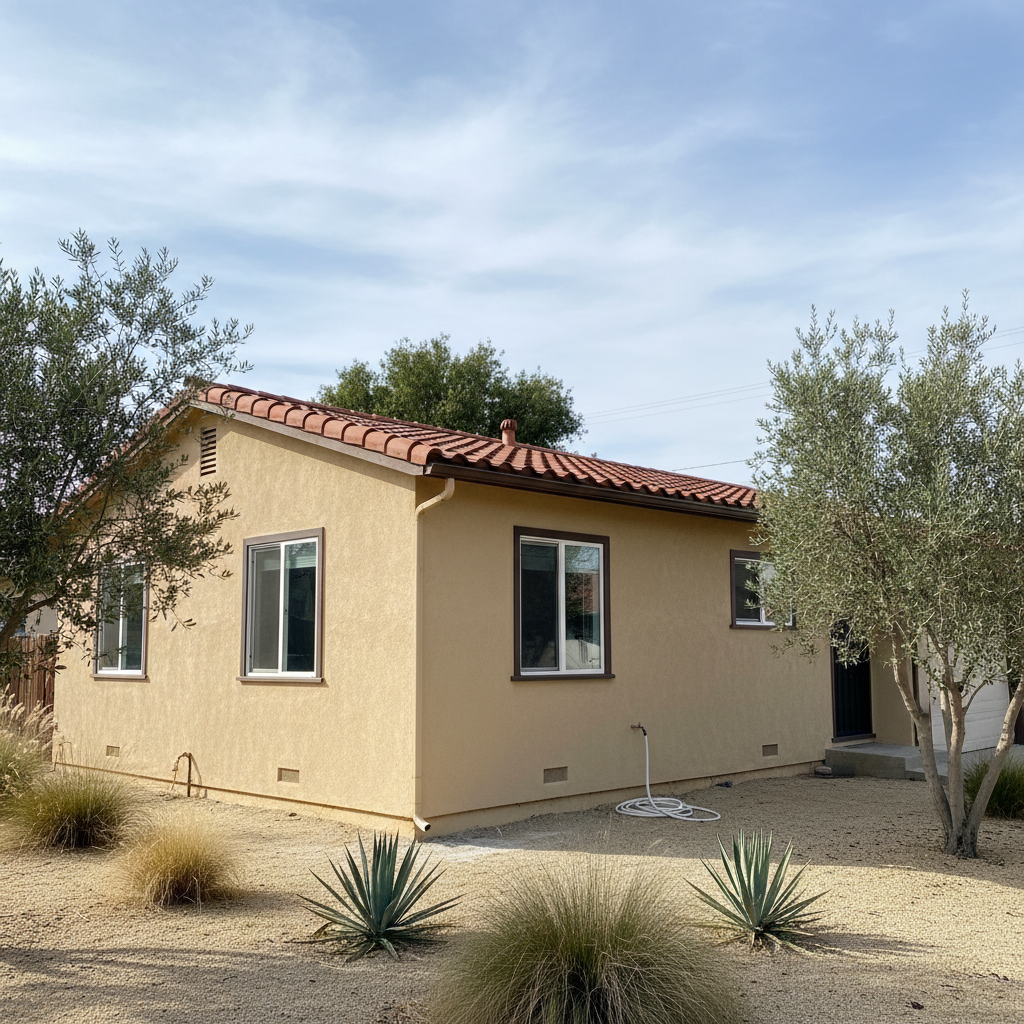
So, you're looking into EIFS for your home. Maybe you've seen it on some of the newer builds around Mt. Helix or noticed how clean and modern it looks on commercial properties. It's a great system, offering fantastic insulation and a smooth, contemporary finish that traditional stucco can't always match. But let's be real, the first thing on most folks' minds is, "What's this going to cost me?"
What Even Is EIFS and Why Does It Cost What It Does?
EIFS stands for Exterior Insulation and Finish System. Think of it as a multi-layered cake for your house. You've got insulation board, a base coat with a fiberglass mesh, and then a durable, flexible finish coat. It's not just a pretty face; it's designed to be highly energy-efficient, which can save you money on your utility bills down the line. That insulation factor is a big part of why it costs more upfront than a basic three-coat stucco system.
Here in La Mesa, we get some pretty warm summers. EIFS can make a real difference in keeping your indoor temperatures stable, reducing the load on your AC. That's a tangible benefit beyond just aesthetics.
The Big Factors That Drive EIFS Pricing
You want numbers, not just "it depends," right? I hear you. While every job is unique, I can give you some solid ranges based on what I've seen over the years with La Mesa Stucco & Plastering.
- Square Footage: This is the most obvious one. More wall means more material and more labor. Simple as that.
- System Type: There are two main types: Class PB (polymer-based) and Class PM (polymer-modified). PB is more common for residential, offering good performance and flexibility. PM is heavier, often used for commercial, and generally costs more. For most residential jobs, you're looking at PB.
- Insulation Thickness: EIFS comes with different insulation thicknesses, usually from 1 inch up to 4 inches or even more. Thicker insulation means better R-value (insulation power) but also higher material costs. Most residential projects go with 1.5 to 2 inches.
- Finish Type and Texture: The final coat comes in various textures, from smooth to coarse. A smooth finish often requires more meticulous prep and application, sometimes increasing labor. Custom colors or multi-color designs will also add to the price.
- Architectural Details: Arches, columns, intricate bands, pop-outs, and other architectural features add complexity. These areas take more time and skill to properly detail and install the EIFS system, driving up labor costs.
- Condition of Existing Substrate: If we're going over existing siding that's in rough shape, or if there's extensive prep work needed on the sheathing, that'll add to the labor. Sometimes we find dry rot or other issues once we start tearing things off, and those unexpected repairs will be an additional cost.
- Accessibility: Is your house on a steep slope? Are there lots of bushes or obstacles around the perimeter? Difficult access means more time setting up scaffolding, moving materials, and working safely, which can increase labor.
Typical Cost Ranges for EIFS Installation in La Mesa
Alright, let's talk real money. For a standard residential EIFS installation (Class PB, 1.5-2 inches of insulation, typical finish), you're generally looking at a range of $10 to $18 per square foot of wall surface. This includes all materials, labor, and standard prep work.
So, if you have a 1,500 square foot single-story home with roughly 1,200 square feet of exterior wall surface (accounting for windows and doors), you might expect to pay anywhere from $12,000 to $21,600 for the EIFS system itself. A larger, more complex two-story home with 2,500 square feet of wall surface could easily be in the $25,000 to $45,000 range.
Keep in mind, these are averages. If you've got a very custom design with lots of intricate details, or if your existing walls need significant repairs before we can even start, those costs can go higher. On the flip side, a very simple, flat wall surface on a new build might come in at the lower end.
What Should Be Included in Your Quote?
When you get a quote from La Mesa Stucco & Plastering, or any reputable contractor, here's what you should expect to see itemized or clearly stated:
- Material Costs: This covers the insulation board, base coat, mesh, primer, finish coat, and all necessary fasteners and adhesives.
- Labor Costs: The crew's time for prep, installation, and cleanup.
- Scaffolding/Equipment Rental: Necessary for safe and efficient work, especially on two-story homes.
- Permits: Often required for exterior renovations. A good contractor will handle this.
- Waste Disposal: Hauling away old siding and construction debris.
- Warranty Information: Both for the materials and the workmanship.
What's usually *not* included in an EIFS quote are things like replacing windows or doors, extensive landscape removal, or major structural repairs unless specifically discussed and added. Always read the fine print.
How to Avoid Overpaying for EIFS
Nobody wants to get ripped off. Here's how you protect yourself:
- Get Multiple Bids: Don't just go with the first guy. Get at least three detailed quotes from different contractors. This helps you understand the market rate and compare apples to apples.
- Check References and Licenses: Make sure the contractor is licensed, insured, and has a good track record. Ask for local references and actually call them.
- Understand the Scope: Make sure every quote clearly defines what's included and what's not. If one bid is significantly lower, it might be missing something crucial.
- Ask About Warranties: A good EIFS system should come with a solid manufacturer's warranty on materials (often 10 years or more) and a contractor's warranty on workmanship.
- Don't Pay Upfront: A reputable contractor won't ask for the full amount upfront. A reasonable deposit (usually 10-20%) is standard, with progress payments tied to completed milestones.
EIFS is a significant investment, but it's one that can really transform your home's look and energy efficiency. Do your homework, ask the right questions, and you'll end up with a beautiful, long-lasting exterior that you'll be proud of.