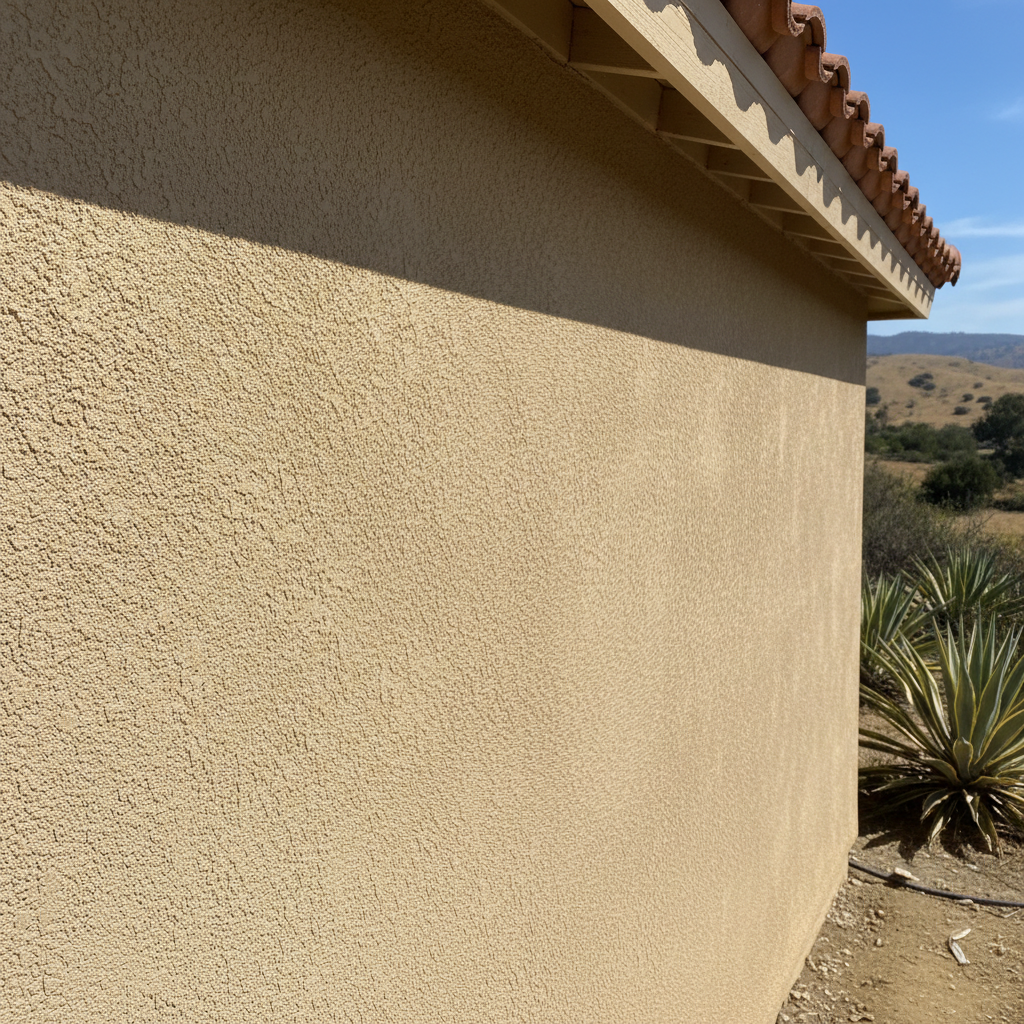
So, you're looking at your stucco, and maybe it's seen better days. Or perhaps you're just curious what 'redashing' even means. I get a lot of questions about this from folks all over La Mesa, from the older homes in the Lake Murray area to the newer builds up by Mount Helix. It's a common project, but there's a lot of misinformation floating around. Let's clear some things up, shall we?
What exactly is stucco redashing?
Alright, let's start with the basics. Redashing isn't the same as a full stucco replacement, and it's definitely not just painting over problems. When we talk about redashing, we're talking about putting a new, fresh finish coat of stucco right over an existing, structurally sound stucco system. Think of it like giving your house a brand new skin. We're not tearing off all the layers down to the sheathing. Instead, we prep the current finish coat, make sure it's clean and solid, and then put on a new layer of stucco. This new layer can match the old texture, be smoother, or look completely different.
Why would I redash my stucco instead of just painting it?
This is a big one, a really common question. Painting stucco is perfectly fine if the stucco itself is in great shape and you just want a color change. But if your stucco has minor cracks, fading, or a texture you've grown tired of, paint won't fix those issues. Paint just covers them up, and those cracks will often show right through the new paint job pretty quickly. Redashing, on the other hand, actually fills those minor cracks and gives you a completely new, uniform surface. It's a much more durable and longer-lasting way to refresh your home's exterior than just a coat of paint. Plus, you get to pick a new texture, which can really change your house's whole vibe.
How do I know if my stucco needs redashing or a full replacement?
Good question, because this is where you can either save a bunch of money or end up wasting it. If your stucco has widespread, deep cracks, bulging, soft spots, or if you're seeing signs of serious water getting behind it (like mold or rot on your interior walls), then you're probably looking at a full replacement. That means tearing off the old stucco, checking the sheathing and framing, fixing any damage, and then putting on a whole new stucco system from scratch. Redashing is for cosmetic stuff, minor surface cracks, or just wanting a new look. If you can push on the stucco and it feels solid, and the cracks are mostly hairline, redashing is likely an option. If it feels spongy or you see big chunks missing, well, we need to dig deeper.
What's the process for redashing my home?
It's not just slapping on some new mud, believe me. There's a proper sequence we follow to make sure it lasts. First, we clean the existing stucco really well. We'll power wash it to get rid of dirt, grime, and any loose paint or material. Then, we check for any bigger cracks or damage that need patching before the new coat goes on. Sometimes we'll even apply a bonding agent to make sure the new finish sticks perfectly to the old. After that, we apply the new finish coat, usually in one or two layers depending on how thick you want it and the texture you're after. We'll then texture it to your specification – smooth, sand finish, dash, Santa Barbara, whatever you're imagining. Finally, we clean up the site, leaving you with a beautiful, fresh exterior. It's a detailed process, but when done right, it's incredibly effective.
How long does a redashing project typically take?
This really depends on the size of your house and how complex the job is. A smaller, simpler home might take us just a few days from start to finish. A larger, more intricate house with lots of architectural details could take a week or even two. Weather plays a role too; we can't apply stucco in heavy rain, and extreme heat can mess with the curing process. Here in La Mesa, our mild climate is usually pretty cooperative, but those summer heatwaves can slow things down a bit, you know? We'll give you a clear timeline upfront once we've assessed your specific project.
Can I change the texture of my stucco when redashing?
Absolutely, that's one of the best parts about redashing! If you've got an old, rough dash finish but you're dreaming of a smooth, modern look, redashing is your chance to make that happen. We can apply a new finish coat that completely changes the texture. We can go from a heavy sand finish to a fine sand, or from a dash to a smooth Santa Barbara finish. It's a fantastic way to update your home's look without the expense of tearing everything off. Just tell us what you're imagining, and we can show you samples of different textures to help you decide.
What kind of maintenance does new redashed stucco require?
Once you've got that beautiful new finish, you'll want to keep it looking good. The good news is, stucco is pretty low maintenance. The main thing is keeping it clean. A gentle power wash every few years can help remove dirt, dust, and any mildew that might accumulate, especially on the north-facing sides of your house that don't get as much sun. Make sure your sprinklers aren't constantly hitting the stucco, as prolonged moisture can lead to issues over time. Also, keep an eye out for any new cracks that might develop over the years – a small crack addressed early is much easier to fix than a big one later. Overall, it's a durable finish that'll serve you well for decades if you just give it a little attention.
If you're still wondering if redashing is right for your La Mesa home, or you've got more questions, just give us a call at La Mesa Stucco & Plastering. We're happy to come out, take a look, and give you an honest assessment.